-
💸 How to Send Money Abroad from Korea 2026 | Cheapest Way for ForeignersGlobal Career & Travel 2026. 4. 12. 01:02반응형Money Cluster · Revenue Core Article
How to Send Money Abroad from Korea 2026 | Cheapest Way for Foreigners
This is the point where information becomes action. If you already learned about hospital costs and exchange rates in Korea, the next real question is simple: how do you actually send money abroad without wasting fees, losing on bad rates, or getting stuck in branch paperwork?
🔥 Compare Transfer Costs in 30 Seconds → Find the Cheapest Option Now💸 Most foreigners do not overpay because they send “too much” money.
👉 They overpay because they ignore the total cost: fee + exchange spread + payout method.
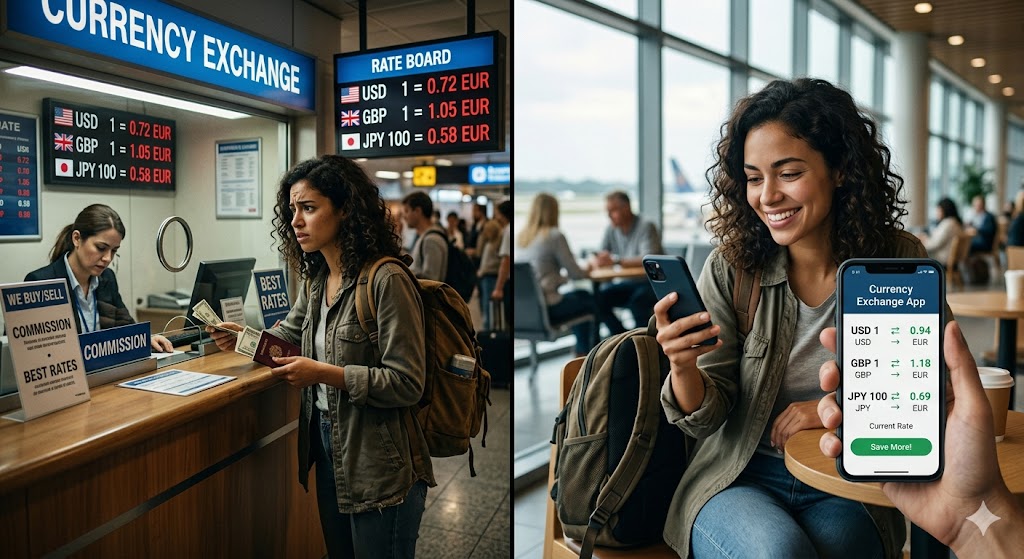
Most people think they’re saving money when sending abroad — but they’re not. The real cost is hidden in exchange rates, not just fees. Quick Answer: what is usually the cheapest way to send money abroad from Korea?
The cheapest method is usually not the first bank counter you see. For most foreigners, the best result comes from comparing the real exchange rate, transfer fee, receiving fee, and speed together before sending. In practice, traditional bank remittance is often reliable, but the lowest total cost may come from whichever service gives you the best final delivered amount after all deductions.
Best RuleCompare total delivered amountMost Missed CostExchange spreadMost Common ErrorChoosing by fee onlyKorea’s foreign exchange system is governed by the Foreign Exchange Transactions Act, and the Bank of Korea explains that payments for current transactions are generally permitted when documents certifying the reason and amount are submitted. The BOK also states that foreigners or nonresidents must use a designated bank when remitting certain types of payments such as income earned in Korea. Source
💸 Real Example: cheap fee, expensive transferMany people compare only the headline fee. But if a service looks cheap and gives you a worse exchange rate, the “cheap” transfer can still lose more money than a higher-fee option with a better rate.
You Send$1,000Bad Total Cost3%Potential Loss₩30,000+The cheapest transfer is the one that delivers the most money at the end — not the one with the prettiest fee label.
Check the real transfer result before you send
If you are moving salary, tuition, savings, family support, or emergency money, compare the final delivered amount first. That one step can save more than obsessing over tiny visible fees.
👉 Compare Cheapest Transfer Options NowHow to calculate the cheapest transfer from Korea
If you only compare one number, you will probably get the wrong answer. The real cost of sending money abroad from Korea usually has four layers.
Cost Layer What It Means Why It Matters Transfer fee The visible service charge Easy to compare, but often not the biggest loss Exchange spread Difference between market rate and your applied rate Often where the real money disappears Receiving fee Fee charged by recipient bank or intermediary Can reduce final amount unexpectedly Speed / payout method Bank deposit, cash pickup, card, mobile wallet, etc. Urgency can justify slightly higher cost The best transfer for you depends on amount, destination country, urgency, and whether you prioritize cost, speed, or document simplicity.
Official rule foreigners should know first: designated foreign exchange bank
This is the legal and practical point many foreigners miss. When you send money abroad from Korea, the system is not just “app first, click send.” Officially, designated foreign exchange bank procedures can matter depending on your status and remittance type.
What the Bank of Korea says:
Any foreigner or nonresident must pay through a designated bank when remitting certain payments such as donations under US$50,000 per year or income earned in Korea. The BOK also explains that current-transaction payments are generally allowed when evidential documents are submitted. Source
Woori Bank’s English remittance guide for non-residents and foreigners also states that if you do not have documents proving the source of funds, overseas remittance is allowed after designating the foreign exchange transaction bank, and a passport is required. If evidential documents are available, remittance is allowed within the documented amount. Source
What documents do foreigners usually need?
The exact requirement depends on the transfer reason, amount, and provider. But in practice, these are the documents and conditions that most often matter.
1Passport or ID
Woori Bank’s English guidance specifically lists a passport as a required document for certain non-resident and foreigner remittance cases.
2Proof of funds or payment reason
If you have pay slips, foreign currency purchase proof, or another evidential document, remittance may be allowed within that amount limit.
3Designated bank setup
For certain transactions, the designated foreign exchange bank step is not optional — it is part of the legal procedure.
4Destination account details
Name, address, receiving bank, account information, and destination-country requirements must be accurate to avoid delay.
Bank of Korea payment guidance: Source · Woori Bank foreigner remittance guide: Source
Cheapest method by situation
Your Situation Usually Best Approach Why Small regular family support Compare low-fee online or app-based services vs bank Convenience and repeat use matter Large salary or savings transfer Check documentation path first, then compare total cost Legal procedure and rate impact both matter Urgent same-day need Prioritize payout speed, then compare total delivered amount Speed may outweigh a small cost difference First transfer in Korea Start with a bank or foreigner-friendly banking channel Safer for document review and setup Student or worker with paperwork Use evidential documents to support the transfer reason Can reduce friction and clarify allowed limit Bank transfer vs international remittance service: which is cheaper?
The honest answer is: whichever gives you the best final delivered amount for your exact route. Banks can be strong when you need documentation, branch support, or a reliable official channel. Specialized international remittance services can be strong when you prioritize speed, lower visible fees, or easier recurring transfers.
Option Best When Main Advantage Main Tradeoff Traditional bank remittance You need paperwork, clarity, or higher-trust support Official process, branch assistance Can feel slower or less optimized on cost Online bank remittance You already bank in Korea and want convenience Easier recurring use Still must compare rate and total fees Specialized remittance platform You want fast comparison and cost efficiency Often clearer fee display and app convenience Must verify total payout, destination coverage, and limits Cash-based / pickup-style transfer Recipient needs money urgently without bank access Accessibility May cost more depending on route Never choose based on fee alone. For many foreigners, the exchange rate spread is the bigger leak.
Foreigner-friendly banking channels in Korea
If you want easier support as a foreign resident, check which banks already provide foreigner-focused digital or multilingual channels.
- Shinhan Bank English personal banking pages clearly include overseas remittance and state that users can wire money worldwide through the bank’s system. Source
- Hana Bank operates EasyOne services for foreigners and explicitly presents EasyOne foreign currency remittance within its English foreigner-oriented platform. Source
- Woori Bank provides English overseas remittance limit information and foreigner/non-resident remittance guidance. Source
This does not automatically mean one bank is always cheapest. It means these are useful official starting points when you need English support, documentation help, or online access.
Cash and declaration rule you should not ignore
If you are thinking of physically carrying cash instead of remitting, stop and check the rule first. Korea’s official guidance repeatedly highlights the USD 10,000 threshold for carrying means of payment.
The Bank of Korea states that any person who hand-carries the equivalent of more than US$10,000 into Korea must declare it to customs, and overseas travelers may carry up to US$10,000 abroad without notification, with customs notification required above that level. Korea Customs also states that if you bring in means of payment not exceeding USD 10,000, no permission or declaration is required on arrival. Source Source
Money bridge: good remittance starts before the transfer screen
💰 Most people lose money before they even press “send.”
They:
👉 exchange at a weak rate
👉 choose the wrong bank setup
👉 compare visible fees, not total payoutFix the whole chain, not just the transfer:
👉 Check Exchange Guide FirstFast Take
The cheapest remittance from Korea is rarely “the lowest fee.” It is the transfer that lands the highest final amount after rate, fees, and payout conditions.
Compare payout, not fee Check designated bank rules Keep documents ready Speed costs moneyBefore you send
- Check real exchange rate, not just visible fee
- Confirm recipient bank details carefully
- Prepare passport and any proof-of-funds documents
- See whether designated bank setup is required
- Choose speed only if you truly need it
Best next reads
Remittance does not stand alone. The cheapest transfer is easier when your exchange strategy and bank setup are already optimized.
👉 Read Exchange Guide 👉 Compare Best Banks in KoreaMedical → Money flow
Came here from the hospital cost or exchange guide? Good. That is the real sequence: medical stress becomes money stress, and money stress becomes remittance action.
👉 Back to Hospital Cost GuideOfficial source highlights
Bank of Korea payment and transaction rules:
BOK Payments and TransactionsWoori Bank foreigner remittance guidance:
Woori Bank Foreigner / Non-resident RemittanceShinhan overseas remittance access:
Shinhan English Personal BankingHana foreigner-oriented remittance service:
Hana EasyOne for ForeignersFAQ: sending money abroad from Korea as a foreigner
Is a bank always the cheapest way to send money from Korea?
Not always. A bank may be the best choice when you need stronger documentation support, official process clarity, or branch help. But the cheapest total result depends on the exact route, rate, fees, and speed.
What is the biggest mistake foreigners make?
Comparing transfer fee only. The exchange rate spread often matters more than the visible fee.
Do I need documents to remit abroad from Korea?
Often yes, or at least you should be ready for them. Official guidance indicates that evidential documents for the reason and amount of payment matter, and foreigner/non-resident remittance rules can involve passport and source-of-funds proof depending on the case. Source Source
Next step: move from transfer to full money setup
This article is the revenue core for a reason. Once the reader reaches remittance, the next profitable and practical step is obvious: choose the right bank, then connect it to actual life in Korea.
Money → BankingBest Banks in Korea for Foreigners
Choose the account setup that works for salary, transfers, cards, and overseas banking.
Money → ExchangeBest Exchange Rates in Korea for Foreigners
Fix the rate side first so you do not lose money before the transfer even starts.
Money → StayShort-Term vs Long-Term Stay in Korea
Your best remittance and banking strategy changes completely depending on how long you stay.
👉 The right transfer saves money every single month.
💱 Best Exchange Rates 🏦 Best Bank Setup 🏠 Stay Planning Guide
👉 But only if your bank, exchange rate, and payout match.반응형'Global Career & Travel' 카테고리의 다른 글