-
🎫 Free Things to Do in Korea: 25+ Amazing Places (2026)Global Career & Travel 2026. 4. 10. 18:02반응형
🎫 Free Things to Do in Korea: What I Actually Discovered
I built this guide after realizing some of my most memorable Korea moments cost nothing at all.
Experience-based free-spot guide · planning-friendly · designed for travelers who want more depth without stacking unnecessary ticket costs
👇 From city walks to public spaces and timing-based free-entry opportunities
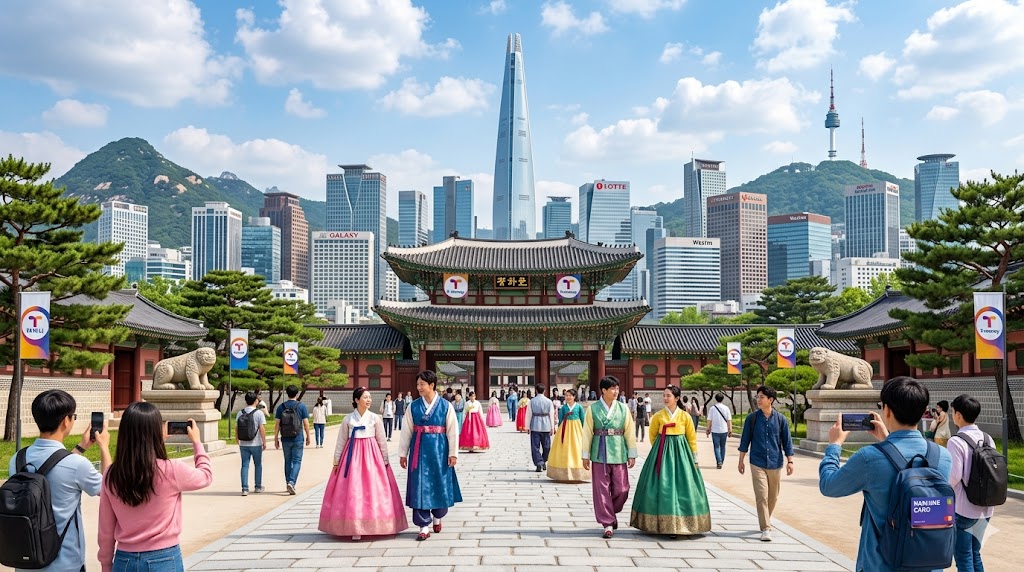
South Korea offers numerous free attractions including parks, cultural landmarks, and public spaces where travelers can explore without additional costs. 📍 My free-Korea turning point: early in the trip, I paid for a few “must-see” stops because that’s what most guides pushed first. Then I started walking more between neighborhoods and accidentally found places that felt more alive, more local, and honestly more memorable. That changed how I built the rest of the itinerary.What surprised me: some of the best experiences were not ticketed attractions at all. They were public parks, open cultural zones, free walking districts, riverside routes, and city spaces that felt naturally woven into daily life.Why this matters: free attractions in Korea are not just “budget substitutes.” In many cases, they are core experiences worth prioritizing even if you are not trying to save money.25+free or low-cost stops included in this guide concept₩0admission cost for many parks, walking districts, and public spaces6kmlong city-walk style routes that can become the highlight of a dayBetter valuewhen combined with route planning, free-entry timing, and transport strategy🌟 See the Full Korea Travel Benefits Hub FirstFree attractions work even better when combined with passes, transport planning, and broader trip benefits
[ADSENSE - TOP]Why Free Attractions in Korea Feel More Valuable Than Tourists Expect
A lot of first-time itineraries are built around tickets. But in Korea, public infrastructure is part of the attraction. Parks, streams, design spaces, walking neighborhoods, riverside areas, and market districts often deliver the emotional high point of a day without requiring paid entry.
That is what makes Korea feel unusually travel-friendly: you do not need to pay every time you want scenery, atmosphere, or local energy. Many memorable stops are already built into the city itself.
The better mindset: paid attractions are still worth considering, but they should be layered onto a strong free itinerary, not replace it.[ADSENSE - HIGH RPM]🎫 Free Spots I’d Build Into a Korea Itinerary Again
These are the kinds of places that make a day feel full even before you spend money on anything else.🏔️Namsan ParkSeoulWhy it stays on the list: strong city views, walking energy, seasonal scenery, and a much more lived-in atmosphere than a purely ticketed observation stop. Great when you want movement and scenery in one block.⏰ Best: early morning or near sunset💧Cheonggyecheon StreamCentral SeoulWhy it works: easy walking route, city-center accessibility, and a calmer rhythm than the surrounding streets. Excellent for light itinerary days, evening walks, or connecting paid and free stops together.⏰ Best: late afternoon to evening🏛️Palace Exteriors & Surrounding AreasJongno area, SeoulPlanning note: even when interior admission is separate, the surrounding public space, gates, nearby streets, and photo zones can already justify a visit. This is one of the easiest ways to add historical atmosphere at low cost.⏰ Best: morning for lighter crowds🛍️Myeongdong DistrictSeoulWhy it belongs here: the area itself is free to experience. Browsing, people-watching, street atmosphere, and night energy cost nothing unless you choose to spend.⏰ Best: evening🎨Dongdaemun Design PlazaSeoulWhy it stands out: architecture, open exterior space, nighttime visuals, and the feeling that you are inside a design-forward city even without entering a paid exhibition.⏰ Best: dusk to night🌸Seokchon Lake AreaSeoulWhy it’s strong seasonally: lake walks, skyline views, and blossom-season atmosphere make this a high-value stop for photos and slow travel days.⏰ Best: spring mornings or sunset walks📚Public Institutions & Civic SpacesSeoul and beyondWhy to check them: some civic buildings, open plazas, and public cultural spaces offer guided access or open viewing zones depending on schedule. Worth checking if you like architecture or modern history.⏰ Best: check official schedule before visit🌊Han River ParksMultiple Seoul locationsWhy I’d always keep it: flexible, low-pressure, scenic, and easy to combine with convenience-store food, casual rest, or a sunset block between heavier itinerary segments.⏰ Best: sunset to eveningOther free exploration zones worth building around: Hongdae street atmosphere, Gangnam browsing routes, Insadong walking streets, Jongno historical lanes, Itaewon multicultural blocks, and neighborhood markets where the environment itself is the attraction.[ADSENSE - MID]📅 Free-Entry Timing Strategy Most Travelers Overlook
What I learned the practical way: the difference between “free but crowded and chaotic” and “free and genuinely enjoyable” is usually timing. Free-entry calendars, rotating museum days, public event schedules, and seasonal campaigns can make a big difference, but only if you check them before you lock the route.🎉 How to use free-entry timing without relying on guessworkMuseum free-entry calendarsBest approach: check official monthly schedules close to travel, not generic blog dates. Some institutions run rotating or campaign-based free admission windows that are easy to miss.Palace / heritage timingBest approach: even if full free admission is not available that day, exterior areas and surrounding walking routes often still justify the visit with little or no extra cost.Night districtsBest approach: markets, design zones, and busy shopping districts become the main attraction at night even when you buy nothing.Seasonal public spacesBest approach: riverside zones, blossom routes, public festivals, and walking streets often become far more rewarding in the right season than a fixed paid itinerary.Simple rule: treat free-entry opportunities as a bonus layer, not the entire trip. That way, if a schedule changes, your day is still strong.💰 Recalculate My Korea Travel SavingsUse the live calculator to see how much free attractions + better route planning may change your total trip estimate
🌆 Free Activities Beyond Seoul
🏖️ Busan
- Beach access: coastline atmosphere without admission pressure
- Cultural villages and walking zones: browsing and photography can be the core activity
- Harbor and waterfront routes: strong free-value for slower travel days
- Best use: combine with one paid stop, not an all-paid day
🏞️ Regional Gems
- Gyeongju: historical walking energy and exterior heritage atmosphere
- Jeonju: traditional street exploration and food-centered browsing
- Mountain or coastal regions: free scenery can outperform expensive packaged stops
- Best use: let the route shape the budget, not just the ticket list
💡 Insider planning tip
Free attractions work best when grouped geographically. Instead of mixing one free stop and one far-away paid stop across the city, cluster neighborhoods together. That cuts transport friction and makes the day feel fuller.
🔗 Official references worth checking
• Official Korea tourism portal: VisitKorea
• K-ETA information: Official K-ETA website
• Transport card / pass reference: VisitKorea transport optionsNext planning move: if your itinerary includes regional travel, compare this free-attractions logic with the regional route article before finalizing hotel areas or route order.📊 You can build a surprisingly rich Korea itinerary around public spaces, walking districts, and timing-based free entry
[ADSENSE - HIGH CTR]📊 What Travelers Should Know About Free Tourism in Korea
Korea’s free travel value does not come from one “hack.” It comes from the way public space, city design, local districts, and selective cultural access work together. Parks, riverside routes, design zones, and open neighborhoods are not filler activities. They are often central to the visitor experience.
This matters especially for budget-conscious travelers because it changes how you measure trip quality. A high-value Korea itinerary is not just about reducing spend. It is about knowing where paid entry actually improves the day and where public space already delivers enough depth on its own.
In practice, free attractions become even more powerful when combined with better route planning, transport choice, and timing-based entry checks. That is why this post works best as part of a wider trip-planning funnel rather than as a standalone list.
❓ Questions Travelers Usually Ask About Free Attractions
Are these places actually free, or just free to enter the outer area?▼Both can be true. Many parks, streams, districts, and public spaces are genuinely free to experience. Some heritage or museum areas also offer meaningful exterior access even when full interior admission is separate.
Do I need reservations for free-entry days?▼Sometimes no, sometimes yes. That depends on the institution and the event format. The safest approach is to check the official schedule close to travel instead of relying on old third-party blog posts.
Can I build an entire Seoul day around free attractions?▼Absolutely. That usually works best when you cluster one area at a time: for example stream walk + market district + design zone, or palace surroundings + traditional streets + café area.
Are free attractions only for strict budget travelers?▼No. Many of these are worth doing even on a comfortable budget because they often provide atmosphere and city immersion that paid attractions cannot replicate.
What if I miss all the free-entry museum dates?▼You still have a strong itinerary. Korea’s value is not limited to museum calendars. Parks, public design spaces, walking neighborhoods, river areas, and market zones already give you plenty to build around.
[ADSENSE - BOTTOM]📖 See the Practical Korea Travel Guide NextAfter collecting free spots, move to the real trip-planning guide and connect them into a usable route
Disclaimer: This article is written as an experience-based travel planning guide. Free-entry schedules, public program availability, opening hours, seasonal access, and campaign participation may change without notice. Some places listed here are permanently free public spaces, while others may involve partial access, rotating free-entry periods, or optional paid features. Always verify final details through official tourism or venue sources before visiting.반응형'Global Career & Travel' 카테고리의 다른 글